All Courses
Browse the complete catalog of available courses to explore new learning opportunities and expand your educational horizons.
Short Courses


Undergraduate Programmes












FIXED INCOME AND EQUITY INVESTMENT ANALYSIS
• Understand the meaning and principles of investment.• Explain the meaning and objectives of portfolio management.
• Understand and explain the investment process and its major stages.
• Describe and analyze the investment environment and different investment vehicles.
• Analyze factors affecting investment decisions.
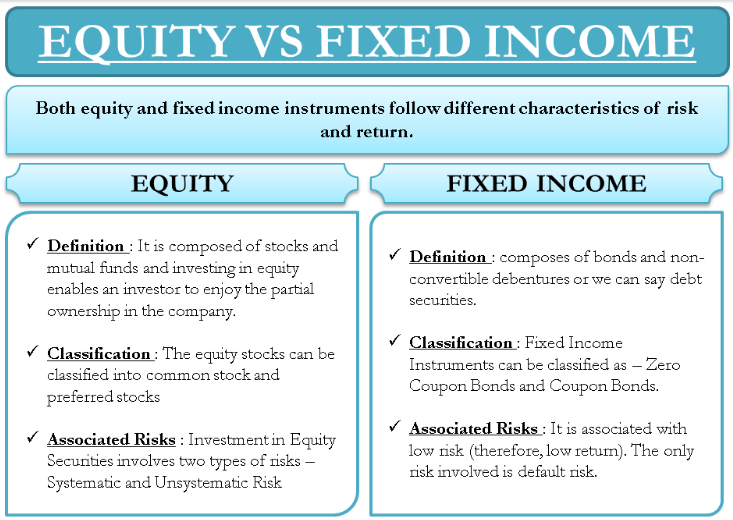
• Analyze and value fixed-income and equity securities.
• Assess investment risk and return.
• Construct and manage diversified investment portfolios.
•
Content;
CHAPTER ONE: INTRODUCTION TO INVESTMENT AND SECURITY ANALYSIS
• Security analysis concepts
• Investment objectives
• Investment process
• Factors affecting investment decisions
• Investment environment and securities markets
CHAPTER TWO: SECURITY ANALYSIS
• Introduction to financial markets
• Approaches to security analysis:
Ø Fundamental analysis
Ø Technical analysis
Ø Random Walk Theory
• Efficient Market Hypothesis (EMH)
CHAPTER THREE: PORTFOLIO THEORY AND ASSET PRICING
• Markowitz Theory / Modern Portfolio Theory
• Capital Asset Pricing Model (CAPM)
• Arbitrage Pricing Theory (APT)
• Comparison of APT and CAPM
CHAPTER FOUR: RISK AND RETURN IN PORTFOLIO ANALYSIS
• Concept of risk and return
• Types and sources of investment risk
• Measurement of return
• Measurement of risk
• Risk and return in portfolio analysis
CHAPTER FIVE: VALUATION AND ANALYSIS OF BONDS
• Concept of bond valuation
• Bases of valuation
• Valuation of irredeemable (perpetual) bonds
• Valuation of redeemable bonds
• Bond yield and relationship between bond prices and interest rates
CHAPTER SIX: VALUATION AND ANALYSIS OF SHARES
• Valuation of preference shares
• Valuation of ordinary shares
• Dividend-based valuation of ordinary shares
• Growth and expected return
• CHAPTER SEVEN: INVESTMENT PERFORMANCE EVALUATION AND MANAGEMENT
• Portfolio performance evaluation
Ø Sharpe measure
Ø Treynor measure
Ø Jensen's measure
Ø Appraisal ratio
• Portfolio management strategies:
Ø Passive management strategies
Ø Active management strategies
Lecturer contact;
MUDAKEMWA Augustin
Assistant Lecturer at University of Kigali
School of Accounting, Finance and Economics
Tel: 0785818622
Email: amudakemwa@uok.ac.rw
-->





ADVANCED MANAGEMENT ACCOUNTING
• Explain the concepts, objectives, functions, and evolving role of management accounting and distinguish it from financial accounting.• Discuss the ethical standards governing management accountants and evaluate the role of management accounting in supporting managerial functions.
• Classify different types of costs and analyze cost behavior using quantitative techniques such as the High-Low Method, Least Squares Method, and Correlation Analysis.
• Apply Cost-Volume-Profit (CVP) analysis to determine contribution margin, break-even point, target profit, margin of safety, and evaluate alternative cost structures for managerial decision-making.
• Differentiate between variable costing and absorption costing systems, compute product costs under each approach, and evaluate their impact on reported profit.
• Prepare operating budgets and the master budget as tools for planning, coordination, and managerial control.
• Compute and interpret standard costs and variances, including material price variance, material usage variance, and labour cost variances, to evaluate operational performance and recommend corrective actions.
• Use management accounting techniques to support strategic planning, cost control, profitability analysis, and effective business decision-making in different organizational settings.
Contact;
Lecturer name: MUDAKEMWA Augustin
Assistant Lecturer at University of Kigali
School of Accounting, Finance and Economics
Email: amudakemwa@uok.ac.rw
Tel: 0785818622
-->







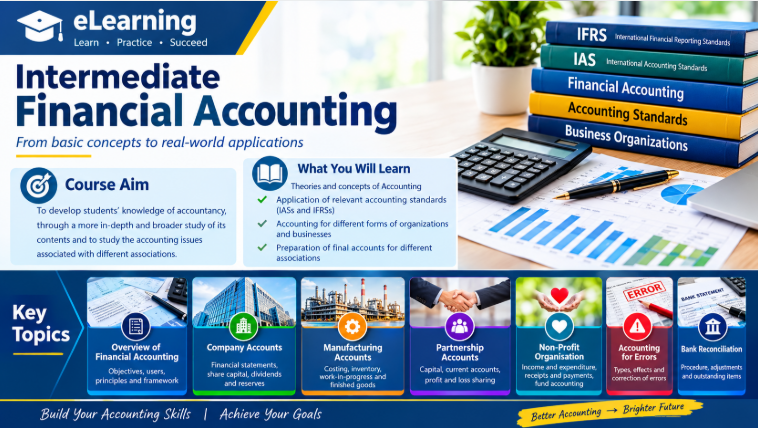
INTRODUCTION TO FINANCIAL ACCOUNTING
• Explain the concepts, nature, scope, and importance of financial accounting and its role in business decision-making by various stakeholders.• Apply the accounting equation, accounting principles, and the double-entry system to record, classify, and summarize business transactions.
• Prepare books of original entry, ledger accounts, trial balances, accounting adjustments, and bank reconciliation statements accurately.
• Prepare financial statements in accordance with applicable accounting principles and International Financial Reporting Standards (IFRS).
• Analyze and interpret financial statements using basic financial ratios to evaluate an organization's financial performance and position.
• Demonstrate ethical and professional standards in the preparation, presentation, and communication of financial information.
CONTENT
Chapter I: General introduction accounting
- Meaning, scope and purpose
- Financial accountability methods
- Book keeping and accounting
- Users/interested parties in accounting information
- Characteristics or qualities of accounting information
- Basis of accounting
- Branches/disciplines in accounting
- Accounting regulatory framework (accounting rules);-Accounting base, Accounting policy, and principles
- Professional ethics for accountant
Chapter II: Accounting equation
· Assets = Liabilities + Owner’s Equity
Chapter III: Double entry system and preparation of books of account
· The double entry book keeping system
· Accounting cycle/ or process
· Preparation of books of account
-Journals
-The Cash Book
-Ledgers
· The trial balance
Chapter IV: End of year adjustments and Preparation of financial statements
· End of adjustments
· Income statement
· Balance sheet, Etc
Chapter V: Analysis and interpretation of financial statements
• Profitability ratios,
• Liquidity ratios, etc
Chapter VI: Bank reconciliation
· Explain why the bank statement balance and the cashbook balance may not balance with bank statement
· Importance
· Reasons for discrepancy between cash book and bank statement balances
· Methods of bank reconciliation
Further readings
• Omunuk, J. B. (1999). Fundamental accounting for business (4th ed.). Kampala: Makerere University Business School.
• Frank, W. (2008). Business Accounting basics (9th ed.). New York: Springer
Mr MUDAKEMWA Augustin, MBA-Finance&Accounting
Assistant Lecturer at University of Kigali
School of Accounting, Finance and Economics
Tel: 0785818622
Email: amudakemwa@uok.ac.rw
Website: www.uok.ac.rw
-->

PROFESSIONAL ETHICS FOR ACCOUNTANT
§ Understand the principles of ethical working in accountancy§ Know how to behave in an ethical manner
§ Be aware of the threats to ethical behaviour, and the importance of safeguarding against those threats
§ Understand when and how to act when they suspect unethical or illegal acts are taking place.
Significance of the course:
i. Ethics in Accounting and Finance will equip learners with knowledge and competency sufficient to be able to:
ii. Explain the principles of ethical behavior
iii. Explain the importance of behaving ethically and in accordance with relevant codes of conduct
iv. Explain the risks from improper practice and the need to safeguard against them
v. Explain how to act in an ethical manner when dealing with internal and external stakeholders
vi. Explain the importance of adhering to organizational and professional values at all times
vii. Identify inappropriate or unethical behavior
viii.Explain the procedures which they should follow if they suspect an unethical or illegal act is being carried out
ix. Identify to whom illegal or unethical acts should be reported
Assistant Lecturer: Mr MUDAKEMWA Augustin
Tel: 0785818622
Email: amudakemwa@uok.ac.rw
University of Kigali
School of Accounting, Finance and Economics
Website: www.uok.ac.rw
-->




ADVANCED AUDITING AND ASSURANCE
· Upon successful completion of this module, students should be able to:- Explain the nature and purpose of assurance services and the audit function and evaluate the need for regulation in auditing practice.
- Apply fundamental ethical principles and independence requirements in accordance with professional standards and codes of ethics.
- Assess professional appointments, auditor responsibilities, and legal liabilities associated with audit engagements.
- Evaluate quality control procedures, corporate governance practices, and the regulatory environment affecting audit firms.
- Plan and perform audit engagements by applying materiality, risk assessment, analytical procedures, and internal control evaluation techniques.
- Assess the sufficiency and appropriateness of audit evidence and evaluate the use of management representations and the work of experts and other auditors.
- Evaluate subsequent events, going concern assumptions, comparative information, and other information in forming audit conclusions.
- Formulate appropriate audit opinions and reports and communicate audit findings effectively to management and stakeholders.
- Apply audit procedures to significant financial statement components and evaluate disclosures in accordance with applicable financial reporting frameworks.
- Examine assurance and related services, internal audit, outsourcing, prospective financial information, social and environmental audits, and group audits in contemporary business environments.
- Demonstrate professional judgment, analytical skills, communication skills, and ethical behavior in resolving advanced auditing and assurance issues.
MODULE CONTENT
Lecture 1: Assurance and the Audit Function
- Nature and purpose of assurance
- Need for regulation
- The audit function
- Audits of small entities
- Methodology of an audit
Lecture 2: Professional Conduct
- Fundamental principles and guidance
- Auditor independence
- Confidentiality
- Ethical issues and areas of controversy
Lecture 3: Professional Appointments
- Advertising and tendering
- Acceptance of audit engagements
- Agreeing terms of engagement
- Access to books and documents
- Change of auditors
Lecture 4: Professional Responsibility and Liability
- Fraud and auditor's responsibilities
- Professional liability
- Professional misconduct
- Professional indemnity insurance
Lecture 5: Practice Management and Regulatory Environment
- Risks facing audit firms
- Quality control
- Current developments in auditing
- Corporate governance
- Legal and regulatory framework
Lecture 6: Audit Planning and Strategy
- Audit planning
- Materiality
- Risk assessment
- Risk-based approach
- Systems and controls
- Cycles and transactions
- Balance sheet approach
- Directional testing
- Analytical procedures
Lecture 7: Audit Evidence
- Nature and sources of audit evidence
- Related parties
- Management representations
- Using the work of others
- Audit documentation
Lecture 8: Audit Evaluation and Review
- Review procedures
- Opening balances
- Comparative information
- Other information
- Subsequent events
- Going concern
- Compliance with IFRS
Lecture 9: Audit Reports
- Forming an audit opinion
- Communication issues
- Electronic reporting
- Special purpose reports
- Reporting to management
Lecture 10: Audit of Financial Statements
- Construction contracts
- Liabilities
- Income
- Expenses
- Financial statement disclosures
Lecture 11: Audit Related and Assurance Services
- Audit-related services
- Assurance engagements
- Risk assessments
- Performance management
- Systems reliability
- Electronic commerce
- Forensic audits
- Whistleblowing
Lecture 12: Internal Audit and Outsourcing
- Internal audit
- Outsourcing
- Impact of outsourcing on external audit
Lecture 13: Prospective Financial Information
- Accepting engagements
- Audit procedures
- Reporting on prospective financial information
- Expression of opinion
Lecture 14: Social and Environmental Audits
- Social and environmental performance
- Implications for companies and management
- Implications for statutory audit
- Assurance services relating to sustainability
Lecture 15: Group Audits
- Group accounting and holding company auditors
- Principal and component auditors
- Consolidation process
- Joint audits
- Auditing foreign subsidiaries
- Recent developments in group auditing
Mr MUDAKEMWA Augustin, MBA-Finance&Accounting
Assistant Lecturer at University of Kigali
School of Accounting, Finance and Economics
Tel: 0785818622
Email: amudakemwa@uok.ac.rw
Website: www.uok.ac.rw
-->







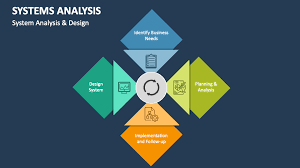
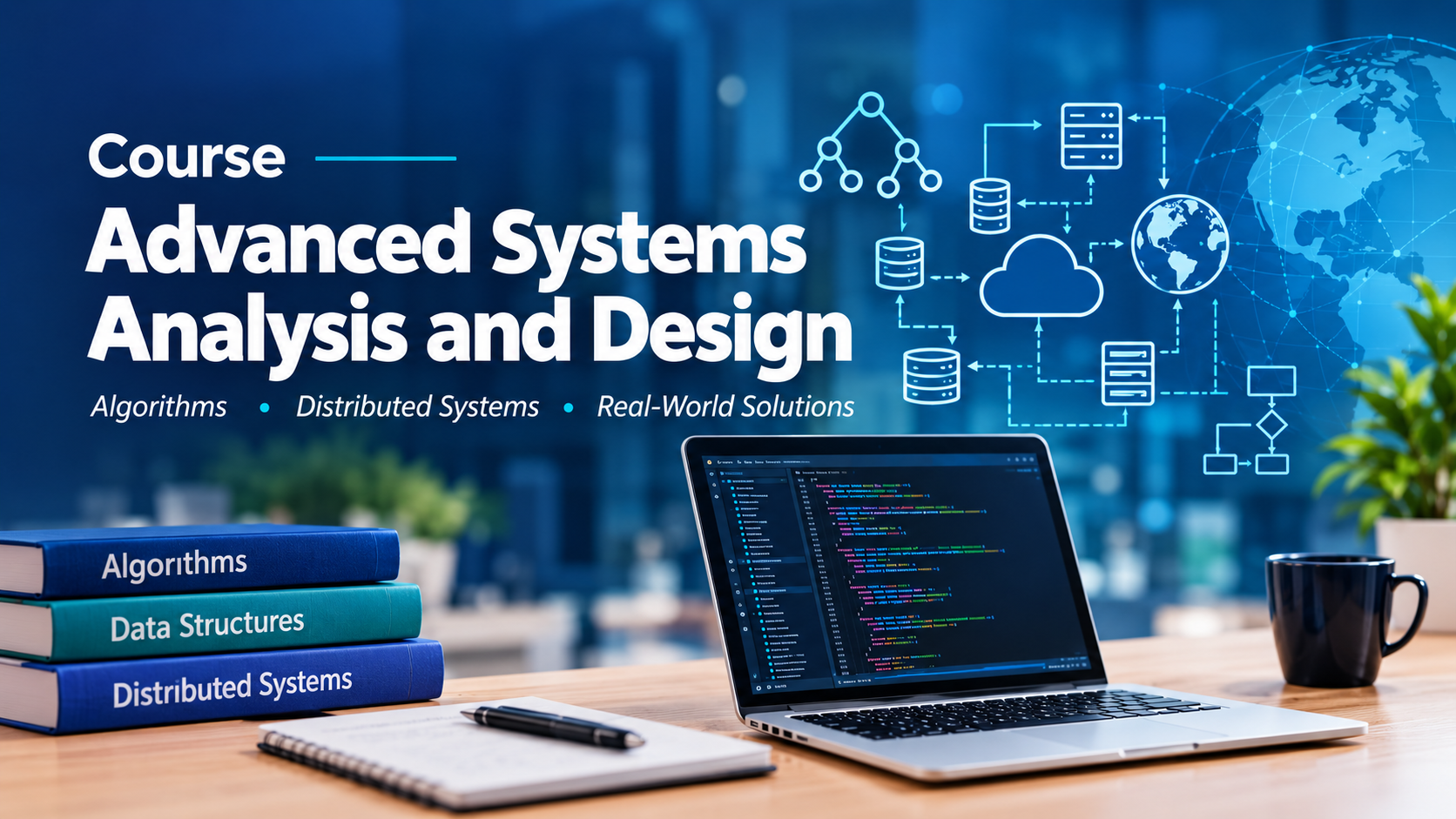
Systems Analysis and Design
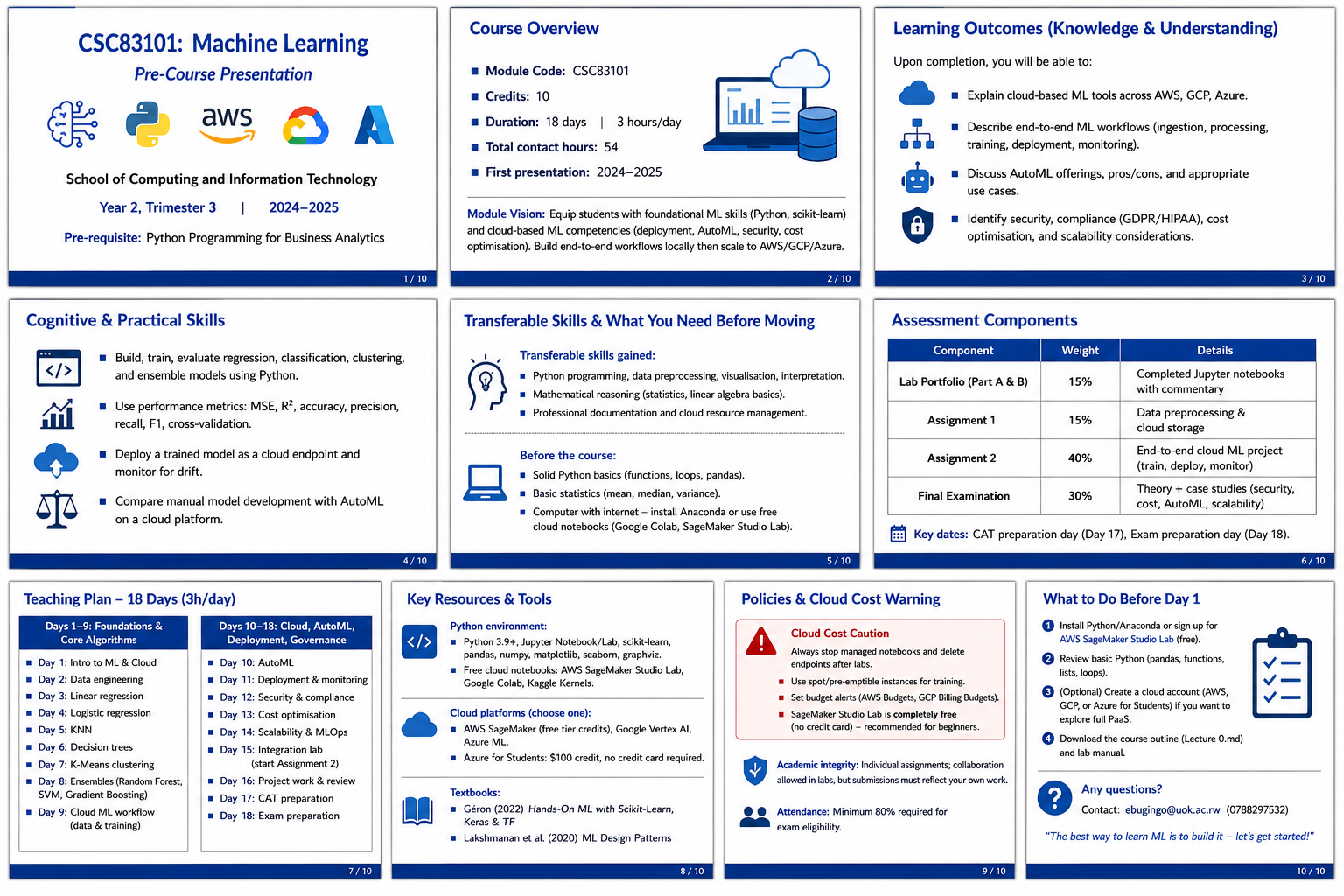
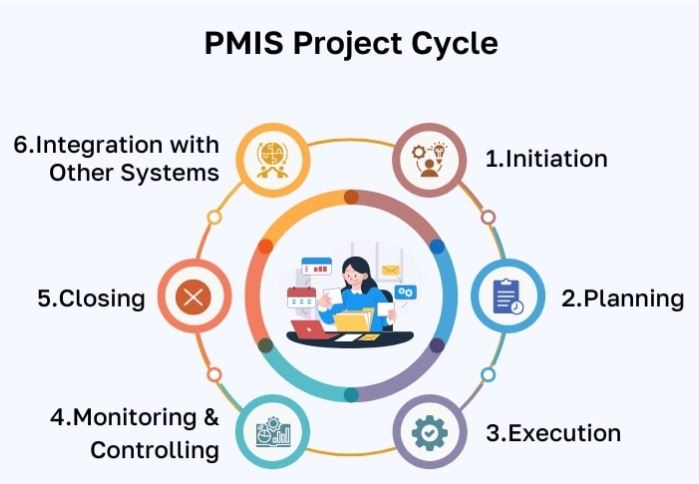
1. Brief description of aims and contentThis module enables students to use management information systems techniques to solve managerial and organizational problems of limited complexity. It includes solving formal analytic problems and implementing solutions using MIS development techniques. It focuses on Study, Analysis and Design of a System, Documenting and evaluating the System, Data Modelling, and Developing Information Management System for an Organization, Implementing and Testing
-->





COST ACCOUNTING
• Explain the concepts, objectives, and importance of cost accounting in organizations.• Classify and analyze different types of costs for managerial decision-making.
• Apply inventory valuation and stock control techniques in material costing.
• Compute labour and overhead costs using appropriate costing methods.
• Prepare cost statements and apply various methods of costing in business operations.
• Analyze break-even points and apply marginal costing techniques in decision-making.
• Prepare budgets and evaluate organizational performance using budgetary control systems.
• Calculate and interpret variances under standard costing systems.
• Use cost accounting information to support planning, control, and strategic decisions.
Lecturer contact
Assistant Lecturer: Mr MUDAKEMWA Augustin,
Email: amudakemwa@uok.ac.rw
Tel: +250785818622
University of Kigali,
School of Accounting, Finance and Economics:
-->



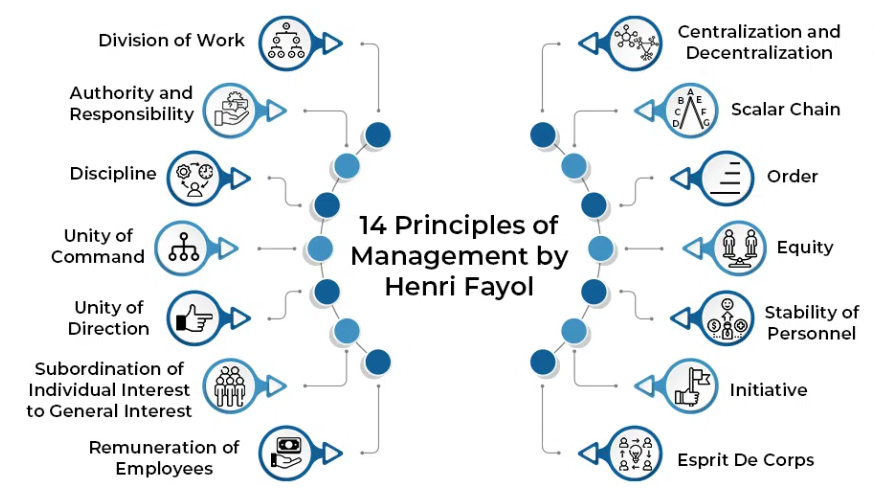
PRINCIPLES OF MANAGEMENT
II. PLANNINGUNIT – III – Principles of Management
III. ORGANIZING
UNIT – IV – Principles of Management
IV. STAFFING AND DIRECTING
UNIT – IV – Principles of Management
V. STAFFING AND DIRECTING
-->







ENTREPRENEURSHIP
• The module will explore a range of different perspectives on entrepreneurship and the activities of entrepreneurs. It is designed to introduce students to the business fundamentals in relation to entrepreneurship in order for them to increase their ability in managing enterprise toward innovation. Further, this module is designed to reduce potential risk in entrepreneurial business endeavors through delivering a better understanding of business fundamentals, creativities and innovation.Contact: Mr MUDAKEMWA Augustin, MBA-Finance and Accounting
Tel: +250 785 818 622,
Email: amudakemwa@uok.ac.rw
Assistant Lecturer at University of Kigali,
School of Accounting, Finance and Economics
-->






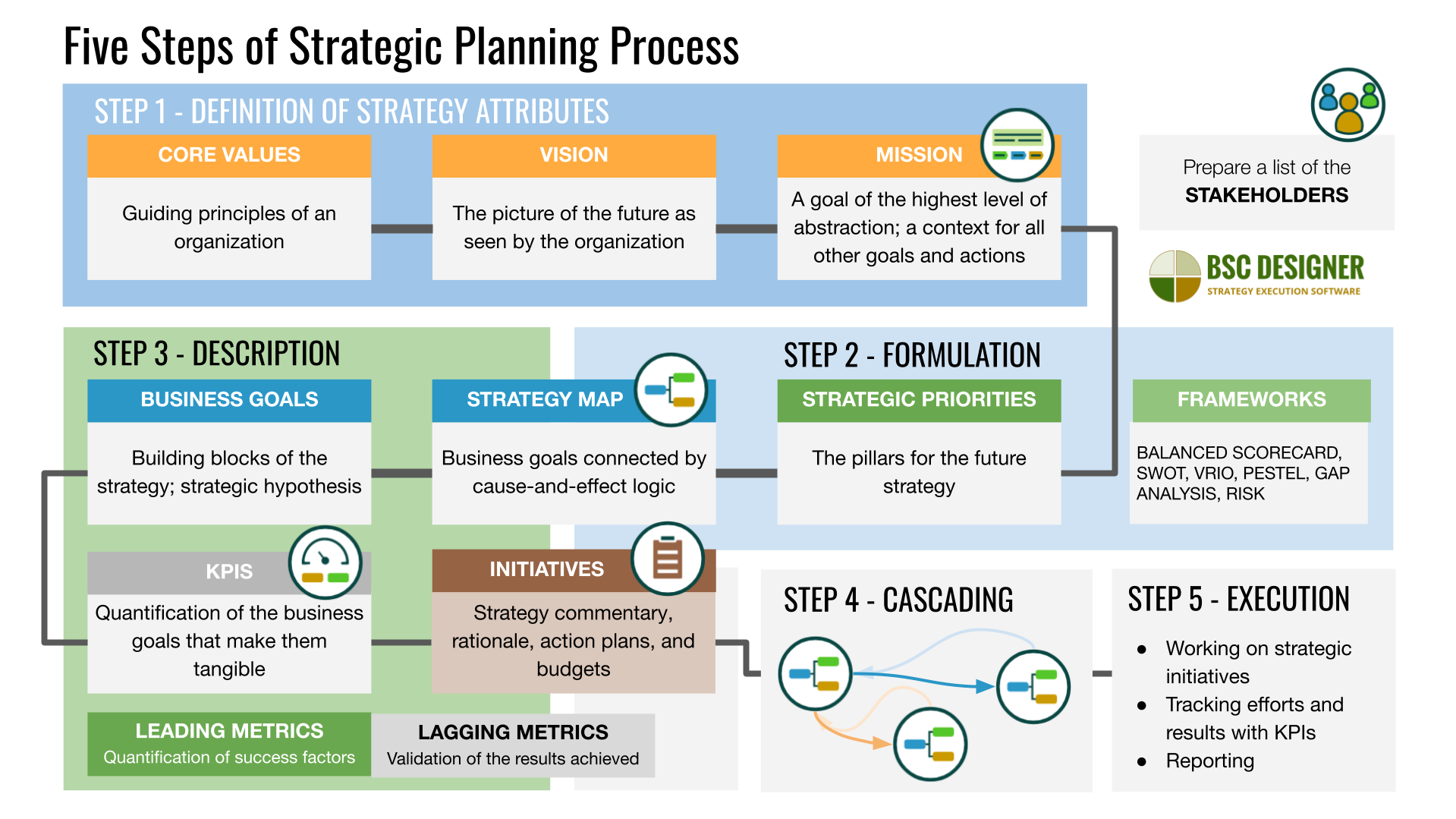


























Master's Programmes


Project Risk Management and Evaluation Evening Dr Kwena October 2026
i. Basic knowledge in project risk management;ii. The concept of modern project risk management;
iii. The content of risk management;
iv. Risk identification, quantifying risk assessment, risk treatment, risk monitoring;
v. Contracts and project risk allocation;
vi. Estimating project contingencies;
v. Cognitive/Intellectual skills/Application of Knowledge
-->






PROJECT LEADERSHIP AND GOVERNANCE - DR KWENA (JULY 2026 WEEKEND)
i. Enrich their understanding of project leadership and relate this back to the project lifecycle with which they are familiar.ii. Develop skills in decision making and delegation skills
iii. Lead a high performance project team
iv. Build an effective working relationship with the project sponsor and project stakeholders
Meet the leadership challenges throughout the project lifecycle using communication, negotiation and conflict management skills and Explain the importance of project communication
-->

Research Methodology for Economist
1. Explain the philosophical foundations of economic research.2. Formulate researchable economic problems and objectives.
3. Conduct systematic literature reviews.
4. Develop theoretical and conceptual frameworks.
5. Formulate and test economic hypotheses.
6. Design quantitative, qualitative, and mixed-methods studies.
7. Apply appropriate sampling and data collection techniques.
8. Select and justify econometric and statistical methods.
9. Interpret empirical economic evidence.
10. Prepare high-quality research proposals and reports.
11. Apply ethical principles in economic research.
12. Produce publishable academic papers and dissertations.
-->

Research Methodology for Economist
1. Explain the philosophical foundations of economic research.2. Formulate researchable economic problems and objectives.
3. Conduct systematic literature reviews.
4. Develop theoretical and conceptual frameworks.
5. Formulate and test economic hypotheses.
6. Design quantitative, qualitative, and mixed-methods studies.
7. Apply appropriate sampling and data collection techniques.
8. Select and justify econometric and statistical methods.
9. Interpret empirical economic evidence.
10. Prepare high-quality research proposals and reports.
11. Apply ethical principles in economic research.
12. Produce publishable academic papers and dissertations.
-->

Research Methodology for Economist
1. Explain the philosophical foundations of economic research.2. Formulate researchable economic problems and objectives.
3. Conduct systematic literature reviews.
4. Develop theoretical and conceptual frameworks.
5. Formulate and test economic hypotheses.
6. Design quantitative, qualitative, and mixed-methods studies.
7. Apply appropriate sampling and data collection techniques.
8. Select and justify econometric and statistical methods.
9. Interpret empirical economic evidence.
10. Prepare high-quality research proposals and reports.
11. Apply ethical principles in economic research.
12. Produce publishable academic papers and dissertations.
-->

PMS91208/MUSANZE/EVENING/MAY2025-2026/MONTH 1 - PROJECT PLANNING, DESIGNING AND RESOURCING








Professional Programmes
UoK Staff Development


All Courses
All courses





FUNDAMENTALS OF PROJECT MANAGEMENT WEEKEND DR KWENA OCTOBER 2026
i. To demonstrate knowledge and understanding of Advanced knowledge in project management;ii. To Demonstrate the ability to Identify the basic purposes and scope of project management;
iii. To Demonstrate the ability to Utilize and apply project management skills in consulting business, public and NGOs organizations;
iv. Use acquired skills in managing projects
v. Use learnt materials in the project management related work.
vi. Use project management techniques related work
vii. Use fundamentals of project management to contribute to global research
viii. Develop a mindset about continuous learning in the domain of project management.
ix. Create an atmosphere of curiosity to learn from project teams.
x. Examine real life problems and suppose project-based solutions.
xi. Use innovative ideas to enhance project management in various contexts.
xii. Promoting professional conduct
-->



Seminar in Intellectual Property and Innovation
covers how legal frameworks protect human creativity, turn intangible ideas into economic assets, and drive modern knowledge-based economies -->
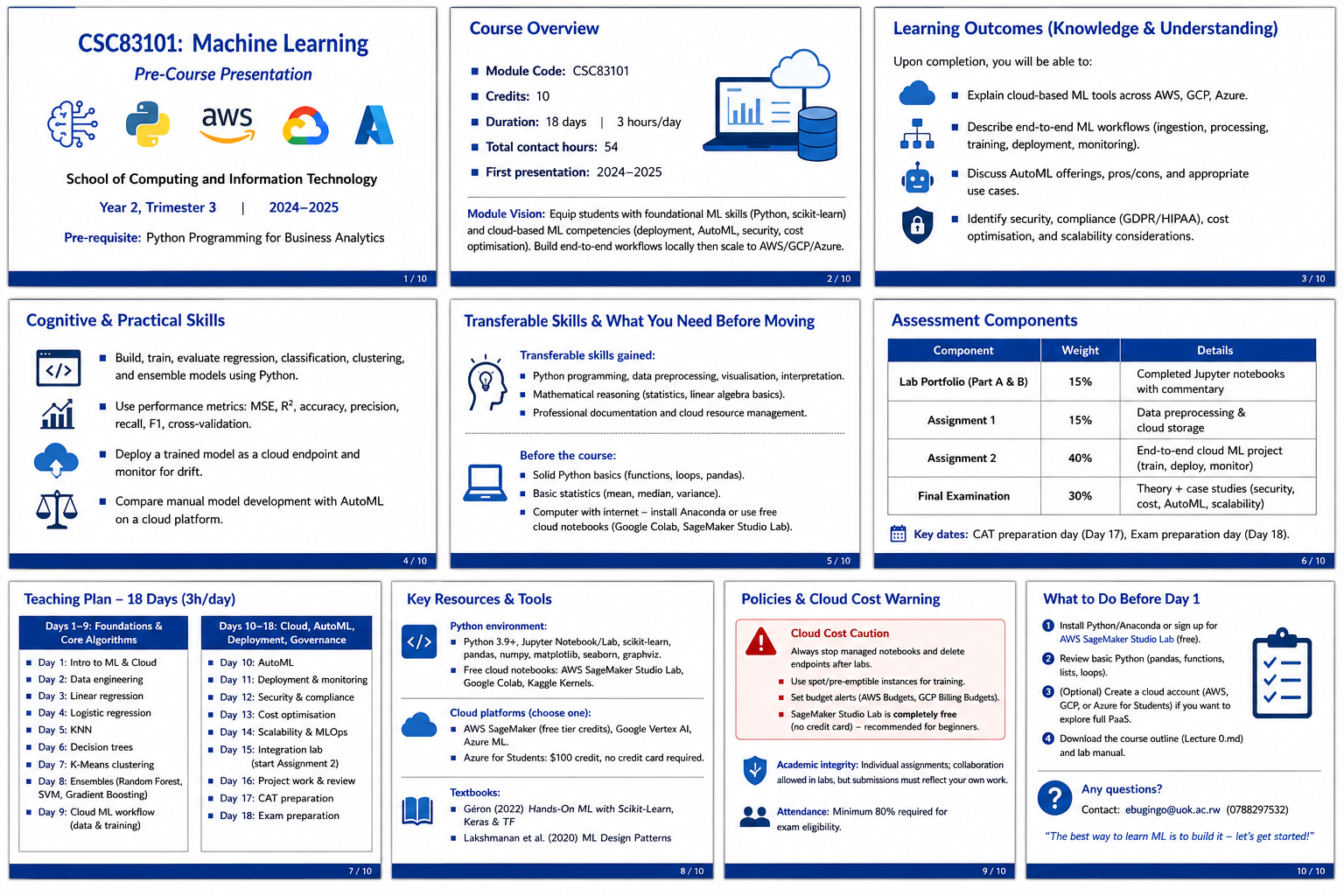
Machine Learning - MSc in IT - Weekend - September 2026-2027
1. Module Code: MIT91207 School: Graduate School2. Module Title: Machine Learning
3. Year: 1 Trimester: 1 Credits: 10
Brief Description of Aims and Content
Machine learning is the science of getting computers to act without being explicitly programed. This course provides a broad introduction to machine learning and statistical pattern recognition. In this course, students will learn about the most effective machine learning techniques, and gain practice implementing them and getting them to work. Students not only learn the theoretical underpinnings of learning, but also gain the practical know-how needed to quickly and powerfully apply these techniques to new problems.
The course will also discuss recent applications of machine learning, such as, data mining, autonomous navigation, speech recognition, and text and web data processing. The course will also draw from numerous case studies and applications, so student also learn how to apply learning algorithms to building gesture-based and multimodal interfaces, text and speech understanding (web search, anti-spam), smart robots, medical informatics, audio, database mining and other areas.
Indicative Content:
Foundations: Introduction to Artificial Intelligence (AI) and Machine Learning, Key techniques and paradigms in ML, Data preprocessing and feature engineering. Supervised Learning: Classification and regression models, Parametric and non-parametric methods, Support Vector Machines and kernel methods, Neural networks and deep feedforward models. Unsupervised Learning: Clustering techniques, Dimensionality reduction (PCA, t-SNE, autoencoders), Recommender systems. Best Practices in ML: Bias–variance trade-off and model generalization, Hyperparameter tuning and model selection, Innovation processes in ML and AI. Deep Learning and Advanced Topics: Introduction to deep learning and GPU computing, Neural networks with TensorFlow/PyTorch, Analysis of streaming data with TensorFlow, Image processing and OCR applications, Speech recognition and natural language processing, Real-time large-scale ML systems. Applied Machine Learning: Pattern recognition and decision systems, Question-answering and intelligent agents, Search engines and PageRank-like systems, Large-scale information retrieval (text, images, sound, video), Comparative study of technologies for processing high-velocity data.
-->










BUSINESS ETHICS
• The aim of this course is to equip learners with the knowledge, skills, values, and ethical reasoning required to recognize, analyze, and resolve ethical issues encountered in business organizations.• The course promotes integrity, accountability, corporate social responsibility, and ethical decision-making while preparing learners to uphold professional standards and contribute to sustainable business practices.
Learning outcomes
Upon successful completion of this course, learners will be able to:
• Explain the concepts, principles, theories, and importance of business ethics in organizational management.
• Apply ethical theories and decision-making models to resolve ethical dilemmas in business environments.
• Demonstrate ethical leadership by promoting integrity, accountability, transparency, and responsible business conduct.
• Evaluate the role of corporate governance, corporate social responsibility, and professional ethics in achieving organizational sustainability and stakeholder confidence.
• Analyze ethical issues in key business functions, including finance, marketing, human resource management, procurement, and information technology, and recommend appropriate ethical solutions.
• Assess the effectiveness of ethical policies, compliance programmes, and governance mechanisms in preventing fraud, corruption, and unethical practices.
• Promote ethical organizational culture by advocating responsible decision-making, stakeholder engagement, and compliance with professional codes of conduct.
• Demonstrate ethical reasoning and professionalism when addressing emerging ethical challenges in local and global business environments.
Contact;
email: amudakemwa@uok.ac.rw
Assistant Lecturer at University of Kigali
School of Accounting, Finance and Economics
-->








Research Methodology for Economist
1. Explain the philosophical foundations of economic research.2. Formulate researchable economic problems and objectives.
3. Conduct systematic literature reviews.
4. Develop theoretical and conceptual frameworks.
5. Formulate and test economic hypotheses.
6. Design quantitative, qualitative, and mixed-methods studies.
7. Apply appropriate sampling and data collection techniques.
8. Select and justify econometric and statistical methods.
9. Interpret empirical economic evidence.
10. Prepare high-quality research proposals and reports.
11. Apply ethical principles in economic research.
12. Produce publishable academic papers and dissertations.
-->