FIXED INCOME AND EQUITY INVESTMENT ANALYSIS
• Understand the meaning and principles of investment.
• Explain the meaning and objectives of portfolio management.
• Understand and explain the investment process and its major stages.
• Describe and analyze the investment environment and different investment vehicles.
• Analyze factors affecting investment decisions.
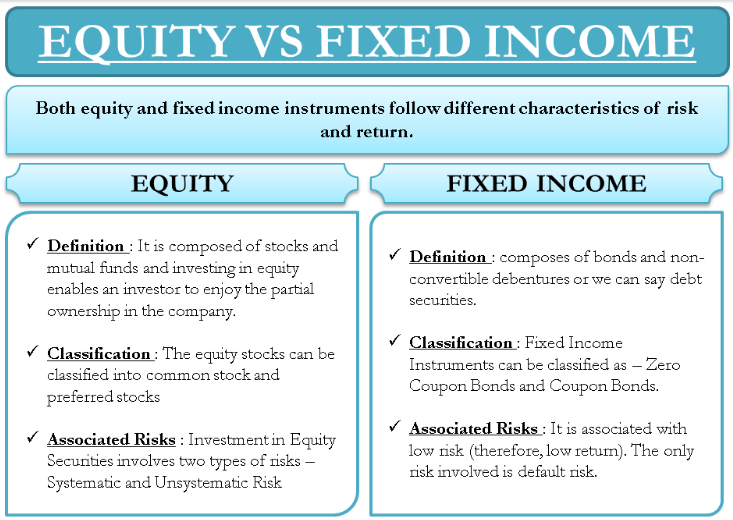
• Analyze and value fixed-income and equity securities.
• Assess investment risk and return.
• Construct and manage diversified investment portfolios.
•
Content;
CHAPTER ONE: INTRODUCTION TO INVESTMENT AND SECURITY ANALYSIS
• Security analysis concepts
• Investment objectives
• Investment process
• Factors affecting investment decisions
• Investment environment and securities markets
CHAPTER TWO: SECURITY ANALYSIS
• Introduction to financial markets
• Approaches to security analysis:
Ø Fundamental analysis
Ø Technical analysis
Ø Random Walk Theory
• Efficient Market Hypothesis (EMH)
CHAPTER THREE: PORTFOLIO THEORY AND ASSET PRICING
• Markowitz Theory / Modern Portfolio Theory
• Capital Asset Pricing Model (CAPM)
• Arbitrage Pricing Theory (APT)
• Comparison of APT and CAPM
CHAPTER FOUR: RISK AND RETURN IN PORTFOLIO ANALYSIS
• Concept of risk and return
• Types and sources of investment risk
• Measurement of return
• Measurement of risk
• Risk and return in portfolio analysis
CHAPTER FIVE: VALUATION AND ANALYSIS OF BONDS
• Concept of bond valuation
• Bases of valuation
• Valuation of irredeemable (perpetual) bonds
• Valuation of redeemable bonds
• Bond yield and relationship between bond prices and interest rates
CHAPTER SIX: VALUATION AND ANALYSIS OF SHARES
• Valuation of preference shares
• Valuation of ordinary shares
• Dividend-based valuation of ordinary shares
• Growth and expected return
• CHAPTER SEVEN: INVESTMENT PERFORMANCE EVALUATION AND MANAGEMENT
• Portfolio performance evaluation
Ø Sharpe measure
Ø Treynor measure
Ø Jensen's measure
Ø Appraisal ratio
• Portfolio management strategies:
Ø Passive management strategies
Ø Active management strategies
Lecturer contact;
MUDAKEMWA Augustin
Assistant Lecturer at University of Kigali
School of Accounting, Finance and Economics
Tel: 0785818622
Email: amudakemwa@uok.ac.rw
-->